NUK Space Glow-in-the-Dark Orthodontic Pacifiers: A Practical Review for Parents
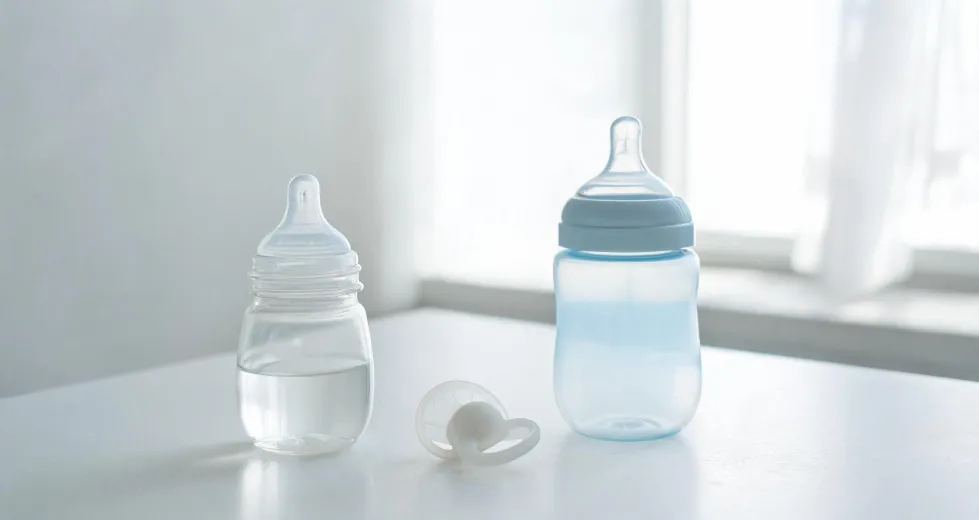
When your baby is crying at 3 a.m. and the pacifier has fallen somewhere in the crib, the last thing you want is to turn on bright lights and fully wake them. That is exactly the problem the NUK Space glow-in-the-dark orthodontic pacifier is designed to solve. It combines three practical features that matter for everyday parents: a shape that supports natural oral development, a gentle glow that makes it easy to find in the dark, and a material that cleans up easily and stands up to regular sterilizing. With NUK's strong reputation in hospitals, this is not a novelty purchase—it is a dependable tool for soothing and sleep. In our view, it is a reliable choice for families who want to balance health and convenience, provided you follow a simple daily cleaning routine and replace the pacifier on schedule.
A Pacifier That Answers Three Real Needs at Once
What actually makes a pacifier worth choosing? With rows of options in the baby aisle, it is easy to assume that all soothers are basically the same—a rubber nipple on a shield to calm a crying infant. But the truth is that design and quality vary enormously, and the differences can affect your baby's mouth development, your nightly sleep, and even your cleaning routine. The NUK Space glow-in-the-dark orthodontic pacifier enters this crowded field with three specific promises: to support healthy sucking habits, to stay visible in a dark nursery, and to be easy to keep clean. Before you spend your money, it helps to understand what those promises mean and whether they actually hold up. This article walks through the evidence behind each claim, so you can make an informed decision rather than relying on luck or marketing buzz.
The first reason to take the NUK Space seriously is the brand's presence in professional healthcare. On its official website, NUK states that it is 'NUK nr. 1 in hospital,' a claim that signals the brand's adoption in hospitals around the world. That is not a trivial detail. Hospitals are settings where products must meet rigorous standards for safety, hygiene, and reliability. They cannot afford to put a poorly designed or hard-to-clean pacifier near a newborn. The fact that NUK is a common choice in such environments suggests that its products have been tested in demanding conditions and have earned the trust of healthcare professionals. For you as a parent, this hospital connection translates into peace of mind: you are buying a product that has already passed a high bar. It also means that when NUK designs a pacifier, it does so with an understanding of real infant feeding and soothing behavior, which is why the orthodontic shape in the Space model feels thoughtfully engineered rather than made up.
Yet even the most trusted brand cannot overcome careless use. The NUK Space will deliver its benefits only if you pair it with the right habits. First, choose the size that matches your baby's age; NUK offers different sizes to fit a newborn's small mouth versus an older infant's growing one. Second, inspect the pacifier before every use—look for cracks, sticky spots, or changes in the glow that might signal damage. Third, never tie the pacifier to your baby's clothing or bed with a cord, because that can create a strangulation hazard. And fourth, remember that a pacifier is not a substitute for feeding; it is a soothing tool, so use it in response to a genuine need, not as the first answer to every fuss. If you follow these boundaries, the NUK Space is a safe and effective helper. If you skip them, even the best pacifier can become a risk.
The Orthodontic Shape: Matching Nature to Protect Your Baby's Smile
But what does the word 'orthodontic' actually mean when it appears on a pacifier? It is easy to assume it is just a clever label, but the concept points to a significant design difference. A standard pacifier usually has a round, bulbous nipple that fills the mouth evenly. That may feel fine, but it can press against the roof of the mouth and the erupting teeth, especially when the baby sucks for a long time. An orthodontic pacifier, on the other hand, is shaped to match the natural contours of the palate, tongue, and gums. It is flattened at the bottom and slightly angled at the top, which allows the tongue to lie in a more natural position. This reduces pressure on the front teeth and encourages a more mature swallowing pattern. So when you see 'orthodontic' on a pacifier package, it is not just marketing—it is a statement about how the soother interacts with the developing mouth.
NUK's orthodontic design is not an accident; it is rooted in the brand's philosophy of supporting natural development. In its promotional materials, NUK emphasizes that its products are designed to support 'your little one's natural growth as they blossom.' That phrase appears alongside descriptions of feeding and soothing products, and it is especially relevant for pacifiers. The NUK Space nipple is engineered to mirror the shape of a mother's nipple during breastfeeding. The upper surface is gently flattened, while the lower part is rounded, encouraging the baby to position the tongue forward and suck in a way that mimics breastfeeding. This is good news for mouth development, because it exercises the same muscles and patterns that the baby uses at the breast, and it reduces the risk of 'pacifier teeth' that can occur when a round nipple repeatedly pushes against the developing incisors. In other words, the orthodontic shape is a practical translation of the brand's natural-first philosophy—a small but meaningful detail that can pay off over months of use.
Still, an orthodontic pacifier is not a magic bullet. It can help guide oral development, but it cannot fix bad habits or overuse. Pediatric experts generally advise that you not let your baby become too attached to a pacifier, and the American Academy of Pediatrics suggests starting to wean around age 2 to 4, when dental risks increase. The NUK Space comes in age-based sizes, so you should switch to a larger size as your baby grows and drop the pacifier entirely when your baby's mouth starts to develop permanent teeth. Also, be mindful of comfort-seeking behaviors: if your baby uses the pacifier constantly, even during the day, that can lead to an overreliance that is harder to break later. Use the pacifier mainly for sleep and intense fussy moments, and offer other kinds of comfort—rocking, singing, or a favorite blanket—so the soother does not become the sole emotional anchor. With those limits, the orthodontic benefit has a chance to work as intended.
The Night Glow: A Practical Boost for Sleep and Soothing
So can a pacifier's ability to glow in the dark actually improve your baby's sleep? At first, the feature might sound like a novelty, a trick to make a product stand out on the shelf. But if you have ever stumbled out of bed at 2 a.m. to find a dropped soother, you know that the struggle is real. Turning on a lamp or overhead light can send a sleepy baby into full wakefulness, and then you have to start the whole soothing process over again. The glow on the NUK Space is designed to prevent that chain of events. It produces a soft, low-level light that is just enough for your eyes to locate the pacifier in the dark, without disturbing your baby. This is not about aesthetics—it is about protecting the rhythm of nighttime sleep, for your baby and for you.
NUK has a clear focus on sleep and quiet time, which makes the glow feature feel like a natural extension of their product philosophy. On the brand's official site, NUK lists 'Bed time & quiet moment' as a core category, and it describes its products as adapting to 'baby's natural way of feeding and soothing.' The glow-in-the-dark function in the NUK Space fits squarely into that mission. The glow is produced by a safe, non-toxic photoluminescent pigment that absorbs light during the day and releases it slowly at night. There is no electricity, no battery, and no heat, so there is nothing for a baby to touch or swallow. The light is cool and soft, designed to be seen from a short distance—about the length of a crib—which means you can find the pacifier without fumbling and without having to turn on a single light. This small feature can significantly reduce night-waking duration, helping everyone get back to sleep faster.
That said, the glow has practical limits that are worth knowing before you rely on it. First, the glow is not designed to illuminate a whole room; it is a gentle accent that only visible in a dark environment. If the pacifier falls under a blanket or into a corner, you may still need to feel around a little. Second, the glow does dim over time. After several hours in complete darkness, it may become quite faint, though it will recharge when exposed to light during the day. Third, and most importantly, the glow is not a safety feature. It does not make the pacifier more durable, and it does not protect your baby from the usual risks of a worn or broken soother. You still need to inspect the pacifier regularly for cracks, tears, or discoloration, and you still need to follow the manufacturer's age and replacement guidance. The glow is a convenience that supports sleep, but it is not a substitute for attentive, responsible parenting.
Cleaning and Replacement: The Non-Negotiable Health Baseline
So how often should you actually clean a pacifier, and when is it time to throw it away? Many parents assume that a quick rinse under the tap is enough, especially if the pacifier only touched the baby's mouth. But the mouth is full of bacteria, and pacifiers frequently hit the floor, the stroller, or the bag. If you do not clean the soother properly, those germs can multiply and be passed right back to your baby, leading to infections or thrush. The official guidance from the Centers for Disease Control and Prevention (CDC) is emphatic: feeding items need daily cleaning and more thorough sanitizing for young or vulnerable infants. Pacifiers fall into the same category as bottles and nipples when it comes to hygiene. This is not about being paranoid—it is about building a simple routine that keeps your baby safe.
The CDC’s guidance is clear: 'Clean items daily' and for extra germ removal, 'sanitize feeding items at least once daily.' That message appears in the agency's official resources on infant feeding items. One piece of CDC-backed advice, published in 2025, says sanitizing is particularly important when your baby is younger than 3 months, was born prematurely, or has a weakened immune system. Another CDC page notes that daily sanitizing may be needed if your baby is under 2 months old, was born premature, or has health issues. While the age cutoffs differ slightly, the underlying principle is the same: for very young or high-risk infants, you cannot rely on washing alone—you need a daily sterilization step. For a pacifier, that means washing it in hot, soapy water after each use and then boiling it, using a steam sterilizer, or running it through a dishwasher with a heated dry cycle at least once a day. The exact method matters less than consistency.
This daily cleaning imperative is echoed by an even more technical body of evidence. A 2015 joint guidance from the Healthcare Infection Society and Infection Prevention Society, published in a peer-reviewed infection prevention journal, provides detailed decontamination protocols for feeding equipment at home and in hospitals. The document stresses that equipment which comes into contact with milk or saliva must be cleaned after every use and sterilized regularly—because even tiny residues can harbor bacteria that thrive overnight. For your NUK Space pacifier, this translates to a practical routine: rinse it immediately after use, wash it in warm soapy water, and then sterilize it at least once daily for babies under 3 months or with health conditions. For older babies, daily washing plus periodic sanitizing is usually enough. You should also replace the pacifier every two to four weeks, or immediately if you notice cracks, tears, or permanent changes in the glow. If you follow this routine, the NUK Space stays hygienic and safe; if you do not, no pacifier on the market can protect your baby.
So, is the NUK Space glow-in-the-dark orthodontic pacifier the right call for your family? The verdict is a conditional yes. The orthodontic shape gives you a legitimate developmental advantage, the glow makes nighttime soothing genuinely easier, and the brand's hospital presence offers an extra layer of trust. But all of that is contingent on one thing: your commitment to daily cleaning, regular sterilizing, and timely replacement. If you are ready to uphold that routine, the NUK Space is as reliable a pacifier as you can buy. If you are not, the most advanced features in the world will not keep your baby healthy. Choose the soother that matches your lifestyle, and then match your lifestyle to the care it demands.

Miriam Adler
Miriam Adler is an educational and STEM toy analyst specializing in busy boards, Montessori-style manipulatives, learning towers, sound books, reading pens, pretend-play sets, and early learning toys. She applies ASTM F963 and IEC 62115 methods while evaluating small-part hazards, accessible edges, switch durability, sound output, battery access, pull force, and age-appropriate task complexity. Her work helps parents, retailers, and product teams choose learning products that align developmental goals, supervision needs, interaction design, and the intended age stage.
Leave a Reply