NUK Space Glow-in-the-Dark Orthodontic Pacifier: The 2 a.m. Solution That Respects Your Baby's Mouth
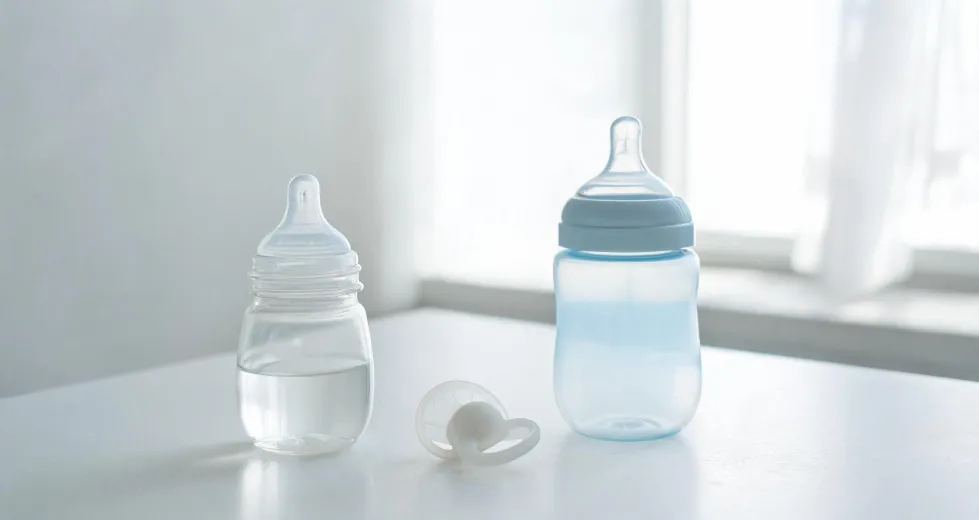
Here is the direct answer: the NUK Space glow-in-the-dark orthodontic pacifier is a soother with a glow ring for finding it in the dark and an orthodontic teat that supports natural oral development. For parents who have fumbled for a pacifier at 2 a.m., that glow ring is the difference between a quick calm and a full wake-up. The design is not a gimmick. NUK states its products adapt to a baby's natural way of feeding and soothing, and the brand is No. 1 in hospitals. That hospital preference tells you the teat engineering is trusted by professionals who see many babies' mouths every day. In practice, the glow solves tonight's problem; the orthodontic shape addresses long-term development. So think convenience and confidence, not a toy. This is a pacifier built to respect both your baby's mouth and your sleep, and that is exactly why it is worth understanding how it works before you buy.
The NUK Space glow pacifier: a direct answer to the 2 a.m. hunt
At its core, the NUK Space glow-in-the-dark orthodontic pacifier is a soother with a glow ring for finding it in the dark and an orthodontic teat that supports natural oral development. For parents who have fumbled for a pacifier at 2 a.m., that glow ring is the difference between a quick calm and a full wake-up. The design is not a gimmick. NUK says its products adapt to a baby's natural feeding and soothing, and the brand is No. 1 in hospitals. That hospital preference tells you the teat engineering is trusted by professionals who see many babies' mouths every day. In practice, the glow solves tonight's problem; the orthodontic shape addresses long-term development. So think convenience and confidence, not a toy. This is a pacifier built to respect both your baby's mouth and your sleep, and that is exactly why it is worth understanding how it works before you buy.
The middle-of-the-night scenario is nearly universal: your baby stirs, you reach for the pacifier on the nightstand, and your hand closes on empty air. It rolled somewhere in the dark, and turning on a light would wake everyone fully. Even with a nightlight, half-asleep eyes can't find a small silicone teat. This is not a small annoyance; protecting nighttime sleep is essential for both baby and parent. The problem isn't that pacifiers fail—it's that in the dark, they're invisible. That's the gap a glow-in-the-dark pacifier is designed to fill, which is why the NUK Space exists. The comfort it promises isn't just for the baby; it's for the whole household's ability to return to sleep quickly. It's a fix for one of parenthood's most ordinary, most disruptive moments, and once you've lived it, you never want to repeat it.
To understand why this pacifier is worth considering, it helps to know the brand behind it. NUK has built its reputation on supporting baby development from the first months, with product lines mapped to each milestone stage—pregnancy, 0–6 months, 6–18 months, and beyond. Their materials emphasize 'naturally celebrating every milestone' and designing products that adapt to a baby's natural feeding patterns. That hospital-preference claim, combined with a focus on natural feeding, positions NUK as a partner in early development, and it carries weight because healthcare professionals choose tools that have demonstrated compatibility with infant anatomy. What this means for you is that the glow ring isn't a gimmick on a generic pacifier—it's a convenience built on serious infant-care engineering. That context matters as you weigh the purchase.
Why the orthodontic shape matters for your baby's mouth
NUK's own materials frame their entire product line around supporting a baby's natural growth as they blossom through each stage, from newborn sleepiness to first smiles. The orthodontic teat on the NUK Space is a specific application of that philosophy. Unlike a conventional round pacifier nipple, the orthodontic shape is flattened and symmetrical, designed to mirror the way a baby's mouth works during breastfeeding. When your baby sucks on it, the teat sits against the roof of the mouth and encourages the tongue to lie in a natural feeding position. That is what 'adapting to natural feeding and soothing' means in practice: the pacifier works with your baby's oral anatomy rather than against it. According to NUK's design approach, every shape choice is informed by infant development, so the teat is a deliberate attempt to avoid interfering with the natural posture of the jaw and tongue. This mechanism is what matters when you choose a pacifier—the glow gets you through the night, but the orthodontic shape makes it a better long-term choice.
Babies under six months are in a phase of rapid oral development, and what goes into their mouths can shape how their teeth and jaws align later. NUK's guidance on baby development highlights how each month brings new milestones, from sleepy cuddles to first smiles, and their products are tailored to those stages. For oral development, the key is that a pacifier teat should not press the upper front teeth or force the jaw into an unnatural position. The orthodontic design rests gently on the gums and palate, reducing the risk of 'pacifier teeth' that can occur with poorly shaped soothers. While no pacifier can promise flawless alignment, choosing a symmetric, developmentally informed shape supports natural growth rather than working against it. This link between shape and development is why experts often recommend orthodontic pacifiers over standard round ones.
Let's be clear about what the orthodontic shape can and cannot do. It is not a magical device that guarantees straight teeth or prevents every dental issue. Pacifier use itself—especially beyond age two or three—is associated with changes in tooth position, and pediatric guidance generally recommends weaning off pacifiers by around age two to four. The benefit of an orthodontic design is that it minimizes pressure on the front teeth compared to conventional round teats, which some studies suggest may reduce the severity of bite problems while the pacifier is in use. But the real condition is this: the orthodontic shape only helps if your baby actually accepts it. Some babies strongly prefer a round shape, and forcing a switch can create more nighttime distress. So the orthodontic advantage holds only if your baby takes to the teat willingly, and if you use it within a sensible age range. There is also no point paying for orthodontic features if you can't maintain the hygiene routine that comes with any pacifier—which brings us to the next section.
A practical CDC-backed cleaning routine for glow pacifiers
Now the part no parent loves: cleaning. According to the Centers for Disease Control and Prevention, feeding items—and a pacifier counts—should be cleaned after every use, and sanitized at least once daily for extra germ removal. That daily sanitizing step is especially important when your baby is younger than 3 months, was born prematurely, or has a weakened immune system. What does that mean for the NUK Space? The glow ring does not exempt you from hygiene duties. After each use, rinse and wash with warm soapy water, paying attention to the teat and the ring's crevices. Then, once a day, sanitize by boiling, using a steam sterilizer, or another CDC-approved method. This is a commitment, but it is the price of keeping your baby safe, and it should be part of the buying decision from day one.
The CDC's guidance on infant feeding items is refreshingly concrete. It instructs parents to clean items daily, and to sanitize for extra germ removal, or daily if your baby is under 2 months old, born premature, or has a weakened immune system. That 'under 2 months' threshold is worth noting—many parents think sterilization is only for newborns, but the CDC extends it to babies up to two months or those with health vulnerabilities. The agency also emphasizes proper storage after cleaning, because a clean pacifier can be recontaminated if it sits in a damp bag or on a dirty counter. As the CDC page explains, "Clean, sanitize, and properly store infant feeding items to prevent germs from contaminating your baby's milk." Put together, that gives you a routine: wash after every use, sanitize daily for young or fragile babies, and air-dry completely before storage. For the NUK Space, the glow ring's material does not change the rules—silicone and plastic can handle boiling or steam, but always check the brand's own care instructions to be sure.
Let's connect the hygiene routine back to the 2 a.m. scenario. The glow ring solves the problem of finding the pacifier, but if that pacifier is not clean, the speed of finding it works against you. A pacifier that falls on the floor and is immediately popped back into a baby's mouth is a classic route for germs—and for a baby under three months, that can lead to thrush, gastroenteritis, or more serious infections. The cause-and-effect chain is straightforward: skipping the daily sanitize saves you two minutes tonight but raises the odds of a sick baby tomorrow, costing you many nights. So the glow feature is not an alternative to cleanliness; it is complementary. You get the benefit of easy nighttime reach, but you must make sanitizing a fixed part of your daily rhythm. Many parents find it easiest to boil the pacifier while preparing bottles, or drop it into a steam sterilizer with pump parts. Build the habit into an existing routine, and it stops feeling like a chore.
A decision rule for the NUK Space glow pacifier
After weighing how the NUK Space glow pacifier works and what it demands, here's our verdict. The product's core value is combining a genuinely useful nighttime feature with a design that respects your baby's oral development. NUK's hospital-preferred status—it claims to be the No. 1 brand in hospitals—adds credibility, because that reputation is built on performance in clinical settings. In practical terms, this is a pacifier that solves a real problem without compromising on baby health, provided you use it correctly. The glow ring is not a gimmick; it is a thoughtful answer to the fumbling-parent problem. The orthodontic teat is shaped to support natural feeding patterns. However, it is not magical: it requires a firm cleaning routine, especially for younger babies, and it may not be right if your baby rejects the teat shape or you won't maintain the hygiene schedule. So the verdict is conditional: for a parent who wants easy nighttime soothing and developmentally considerate design—and who is ready to commit to daily cleaning—the NUK Space is a strong, defensible choice.
Here is a decision rule you can actually use. Choose the NUK Space glow pacifier if you meet three conditions. First, you wake in the middle of the night often enough that the glow ring would prevent a significant wake-up—say, several nights a week. Second, your baby is in the intended age range and tolerates an orthodontic teat. Third, you are prepared to clean it after every use and sanitize daily—unconditionally if your baby is under three months, premature, or immunocompromised. If any of those conditions fail, skip it. If your baby will only take a round teat, if you already have a system that works in the dark, or if you know you won't keep up with sterilizing, the glow feature isn't worth the extra cost. Also, replace the pacifier according to NUK's guidance—typically every few weeks for safety and hygiene, or sooner if the silicone shows wear. The rule is simple: the glow ring buys convenience, but convenience only counts if you're willing to pay the hygiene price. If you are, buy with confidence; if not, choose simpler and save your energy.
So when you're standing in the baby aisle half asleep, wondering if a glow-in-the-dark pacifier is worth it, remember the 2 a.m. scene: the crying baby, the dark room, the pacifier that rolled away. The NUK Space is designed for exactly that moment, but it only works if you work with it. The glow ring gets you through the night; the orthodontic shape supports your baby's mouth; and the cleaning routine protects their health. That is the complete equation, and it's why this pacifier is more than a novelty. Our recommendation, for the right family, is yes: this is a pacifier that respects both your baby's mouth and your sleep. But the final decision is yours, guided by your baby's preferences and your own capacity to keep it clean. When the lights go out, you'll know whether you made the right call.
When the 2 a.m. cry comes, you'll be ready—not just with a glowing pacifier, but with the plan that makes it work.

Miriam Adler
Miriam Adler is an educational and STEM toy analyst specializing in busy boards, Montessori-style manipulatives, learning towers, sound books, reading pens, pretend-play sets, and early learning toys. She applies ASTM F963 and IEC 62115 methods while evaluating small-part hazards, accessible edges, switch durability, sound output, battery access, pull force, and age-appropriate task complexity. Her work helps parents, retailers, and product teams choose learning products that align developmental goals, supervision needs, interaction design, and the intended age stage.
Leave a Reply