Squishmallows Micromallows Mystery Plush Series 2: Is the Surprise Worth It?

Squishmallows Micromallows Mystery Plush Series 2 is a sealed-pack mini plush collection that continues the brand's trademark surprise format with a fresh roster. It is not a quick cash grab but a deliberate extension of a toy universe that has been expanding for years. The real product is not the individual stuffed animal; it is the moment of the reveal, the suspense of not knowing which character you get, and the long-term pull of completing a set. For a parent or a collector, Series 2 offers that experience at a compact scale and a modest price. The value depends on whether you treat it as a lottery you might lose or as an experience you are already paying for.
Series 2 in Context
Series 2 fits squarely inside Squishmallows' long-standing design legacy. The brand launched in 2017 under Kelly Toys Holdings, now owned by Jazwares, a Berkshire Hathaway company, and has since grown to include more than 3,000 character designs. Micromallows Mystery Plush Series 2 draws on that library by shrinking characters into palm-size plush and sealing them in opaque packs, so the buyer never knows which design is inside. The format is not a departure; it is an extension of the same collectible thinking that made the full-size Squishmallows popular. Each pack typically contains one miniature character, chosen at random from the current series roster. That randomness is the point. With a catalog that large, the pool of possible pulls is deep enough to make a specific duplicate far less likely than a one-off set of five or ten characters would be. The scale of the brand changes how the risk should be read: this is not a limited cash-in but a continuation of a line that has spent years earning collectors' trust. When a brand can point to thousands of established designs, a new mystery series carries that history forward rather than starting from scratch.
The Micromallows Mystery Plush line was introduced as a smaller, more portable alternative to the brand's signature sizes, and Series 2 builds on that. The micro versions are built for impulse purchases: a small gift at a checkout line, a party-favor add-on, or a pocket-money treat for a child. The smaller footprint changes the stakes of the mystery—losing a few dollars to a repeat is not the same as losing a larger investment, and the low cost makes the surprise feel more like entertainment than a gamble. For parents, this makes Series 2 an easy low-commitment reward; for collectors, it offers a way to engage with the Squishmallows universe without demanding much shelf space. A micro plush can travel in a backpack, sit on a desk, or attach to a bag, extending the brand's reach beyond the bedroom.
The Surprise Appeal
Mystery packs work because they convert a simple purchase into a small story with a moment of suspense. The brain responds to uncertainty with extra attention; a sealed pack asks the buyer to imagine what could be inside, and that anticipation is itself a reward. When the pack opens, the actual reveal delivers a spike of emotion, whether the design is a favorite or a surprise. Collectors are especially responsive to this pattern because the drive to complete a set gives each new pack a purpose beyond the object itself. The mechanism is the same one behind lottery tickets and blind-box collectibles: the possibility of a hit can outweigh the probability of a miss and make the price feel justified. In that sense, the individual plush is almost secondary. The anticipation carries over to the next pack; each purchase reopens the loop, which is why a single mystery item can turn into a habit. What you are really paying for is the feeling of not knowing, and then knowing.
Consider a parent who buys two packs for a child after a dentist visit. The child opens the first to find a design that was not on the wish list, but the surprise quickly becomes part of the memory; the second pack might contain a duplicate, and even that becomes a talking point. In playgrounds and online trading groups, duplicates are currency—they can start a negotiation in a classroom or complete someone else's set in a fan group. Kids and collectors swap repeats to close the gaps in a set, which turns the mystery format into a social activity. The same logic applies to adult collectors: a surprise design can be adopted as a favorite precisely because it was unplanned. This is the emotional machinery behind Series 2. It is not about guaranteeing a particular character; it is about giving the buyer a reason to open the next pack, and the next.
Comparing Series 1 and Series 2
Series 2 does not reinvent the wheel; it swaps in a new roster while keeping the core equation intact. The packaging format, the micro size, and the random-seal mechanism stay consistent with Series 1, which is exactly what returning buyers want. The difference is the selection of characters, which is refreshed to give collectors new targets and to keep the line from feeling stale. The later series benefits from the earlier one's lessons: the character mix is likely fine-tuned based on fan response, and the production run is probably sized to keep scarcity meaningful. Series 2 typically includes a dozen or more characters—a manageable target for a set-completion project. Series 1 might have introduced the concept, but Series 2 shows that the concept has legs. What does not change is the fundamental trade-off. You are still buying a chance, and the chance is still fun.
Series 2 is best understood as another step in Squishmallows' continuous design expansion rather than a standalone product. The brand has never stayed still, moving from original characters to collaborations and new sizes, and the Micromallows line is one of the newer branches of that growth. Each series adds to a collective catalog spanning thousands of characters, affecting how Series 2 is judged. A single mystery pack is a tiny, self-contained purchase, but it is also part of a larger system that rewards patience. That patience is what separates a true collectible line from a disposable trend. The more series the brand produces, the more possible combinations exist, which makes the idea of 'catching them all' feel like a genuinely long-term project. In this way, Series 2 is not just a product; it is an invitation to participate in a brand story that is still being written.
The Verdict
Judged on value, Series 2 lands in a comfortable middle ground. The brand's long track record—detailed earlier—provides a foundation that most mystery toys cannot match. That scale means the series is not a one-off experiment; it is backed by a company that understands collectible plush and has the design resources to keep the line interesting. The practical implication is that a buyer is unlikely to pull the same design repeatedly, because the roster is typically a dozen or more characters and the broader brand offers more variety. The assessment changes when you want a specific character: then the random nature is a genuine risk, and buying multiple packs can become an expensive way to chase a single design. The evidence of brand scale does not eliminate that risk, but it shifts the odds in the buyer's favor and legitimizes the product as part of a serious collectible ecosystem. The result is a product that feels less like a lottery ticket and more like a curated collection with a random distribution.
The rule is simple. Buy Series 2 if the surprise itself has value to you and you can accept a random outcome; skip it if you require a specific character or if a repeat would ruin the experience. It applies to both a child's gift and a collector's shelf. If you find joy in the unknown, the purchase is justified; if you need certainty, save the money for a standard plush where you can pick the exact character. For the parent looking for a small gift, the modest price makes the mystery a reasonable entertainment cost. For the collector, the series offers a new set of targets and a reason to re-engage with the brand. The verdict is that Series 2 is worth its price when measured against the experience it delivers, not against the odds of pulling a specific design. The chase and the reveal are the product, and the plush is the souvenir.
At its best, the Micromallows Mystery Plush series understands that the object is only half the equation. Series 2 continues the brand's random-stuffed-toy tradition, but the real payoff is the patience and completionism it invites. A single pack is a small bet on a moment of surprise, available to anyone willing to accept the unknown. For the parent, collector, or child at a checkout counter, it delivers exactly what mystery toys should: not a guaranteed favorite, but the genuine thrill of not knowing. That is the verdict.
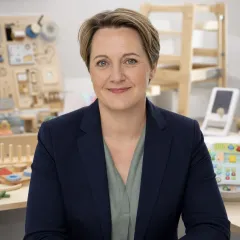
Miriam Adler
Miriam Adler is an educational and STEM toy analyst specializing in busy boards, Montessori-style manipulatives, learning towers, sound books, reading pens, pretend-play sets, and early learning toys. She applies ASTM F963 and IEC 62115 methods while evaluating small-part hazards, accessible edges, switch durability, sound output, battery access, pull force, and age-appropriate task complexity. Her work helps parents, retailers, and product teams choose learning products that align developmental goals, supervision needs, interaction design, and the intended age stage.
Leave a Reply