Should You Buy the NUK Orthodontic Pacifier? A Parent’s Decision Guide
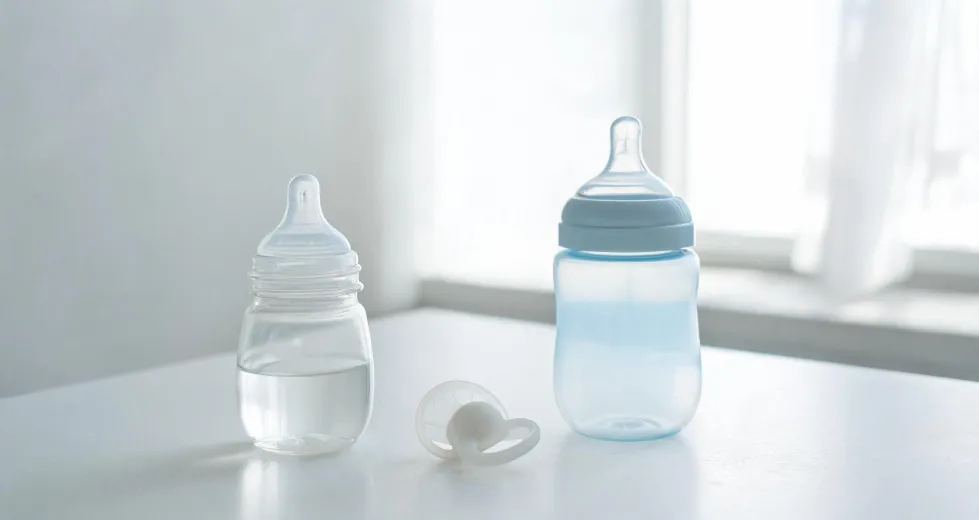
You’re standing in the baby aisle, a NUK orthodontic pacifier in one hand and a basic store-brand in the other. The NUK costs noticeably more, and its package promises something about “orthodontic” support that the cheap one doesn’t. Maybe you’ve heard the name from the hospital, or maybe you’re just tired of your baby spitting out every soother you try. Either way, the decision feels bigger than a two-dollar difference. Is the premium just marketing, or is there engineering behind it? You don’t have a spec sheet in the aisle, and the word “orthodontic” sounds clinical enough to be either a genuine benefit or a perfect sales pitch. That uncertainty is exactly why this purchase deserves a structured look before you add it to your cart. If you’re a first-time parent, the “orthodontic” label carries almost no meaning—it’s just a word that sounds reassuring. But if you’ve shopped for pacifiers before, you know that words like “natural” and “medical” get thrown around liberally. And underneath all that is a more uncomfortable question: whether the pacifier’s shape even matters if you can’t guarantee a strict cleaning routine.
Should You Buy the NUK Orthodontic Pacifier? Start With This Frame
You’re standing in the baby aisle, a NUK orthodontic pacifier in one hand and a basic store-brand in the other. The NUK costs noticeably more, and its package promises something about “orthodontic” support that the cheap one doesn’t. Perhaps you've seen the name in the hospital, or you're simply exhausted from your baby spitting out every soother you try. Either way, the decision feels bigger than a two-dollar difference. Is the premium just marketing, or is there engineering behind it? You don’t have a spec sheet in the aisle, and the word “orthodontic” sounds clinical enough to be either a genuine benefit or a perfect sales pitch. That uncertainty is exactly why this purchase deserves a structured look before you add it to your cart. If you’re a first-time parent, the “orthodontic” label carries almost no meaning—it’s just a word that sounds reassuring. But if you’ve shopped for pacifiers before, you know that words like “natural” and “medical” get thrown around liberally. And underneath all that is a more uncomfortable question: whether the pacifier’s shape even matters if you can’t guarantee a strict cleaning routine.
So here’s the frame we’ll use to move you from aisle-level confusion to a confident answer. First, we’ll pin down what “orthodontic” actually means on a pacifier—because that label is widely misread. Second, we’ll weigh NUK’s brand signals against the model-specific specs you can actually verify, so you’re not trusting a logo on faith. And third, we’ll bring in the factor that overrides shape and brand altogether: your cleaning routine. That last point is almost always the gap in pacifier reviews—parents fixate on nipple shape while the real risk sits in the sterilizer (or its absence). By the end, you’ll have a decision rule you can apply in the store or at the checkout screen, one that doesn’t depend on memorizing a spec table. We’re not here to tell you which pacifier to buy; we’re here to give you a way to decide that survives contact with a crying baby and a tired brain. And because the model-specific specs are often missing at the shelf, the process matters more than the specific answer.
What Does ‘Orthodontic’ Actually Mean on a Pacifier?
Let’s clear up the most common misunderstanding right away: “orthodontic” on a pacifier is not a promise to straighten teeth. It’s a description of the nipple and shield shape, designed to support natural oral development rather than correct a dental problem. An orthodontic pacifier typically has a flattened, bulbous nipple that mimics the shape of a mother’s nipple during breastfeeding, and a curved shield that allows room for the tongue and jaw to move naturally. The label doesn’t mean the device exerts the kind of controlled forces you’d get from a dental appliance. It simply means the manufacturer designed the shape to be more oral-friendly than a conventional round pacifier. That’s a meaningful difference in intent, but it’s not a medical guarantee. This distinction is important because it sets your expectations for what the pacifier can and cannot do.
That design rationale is exactly what NUK leans on in its own marketing. On its homepage, NUK describes its products as adapting “to baby's natural way of feeding and soothing,” and it touts being “nr. 1 in hospital.” In other words, the orthodontic shape isn’t an afterthought—it’s positioned as part of a feeding system meant to mirror how a baby naturally nurses. If you trust that hospital claim and the natural-feeding positioning, then the orthodontic label starts to look like a design decision grounded in real physiology, not just a buzzword. NUK also emphasizes baby development milestones across its site, reinforcing that its pacifiers are intended to support oral development as part of a broader stage-based product line. That context matters when you’re trying to decide whether the premium price is buying actual engineering or just packaging. It also explains why the brand's positioning matters when you're comparing options.
But don't over-read the label as a one-size-fits-all promise. Pacifiers come in age bands for a reason—newborn mouths are not the same as toddler mouths. You’ll see ranges like 0-6 months, 6-18 months, and 18+ months on many brands, and picking the right band matters for fit and comfort. The shape can support natural development, but it can’t override individual anatomy or preference. Some babies refuse orthodontic nipples because they feel different from the round ones they’re used to; others take to them immediately. And even with the right size, your baby might simply prefer a different shape. So while the orthodontic design is a legitimate feature to seek out, it’s not a guarantee that your baby will accept it or that it will “fix” any oral issue. Think of it as a well-designed starting point, not a medical prescription. And because babies' mouths grow and change quickly, you'll revisit that fit decision more often than you expect.
NUK’s Brand Signals vs. the Specs You’ll Need to Verify
NUK’s brand story rests on the same two signals we saw on its homepage: “nr. 1 in hospital” and “adapts to baby's natural way of feeding and soothing.” Those phrases appear prominently on NUK’s own site, and they’re the kind of endorsements that can tilt a parent’s decision when you’re staring at shelves of near-identical silicone nipples. A hospital leadership position suggests that medical professionals—people who think about oral development every day—have some reason to trust the brand. And the natural-feeding language ties the pacifier’s shape to a physiological ideal rather than a marketing gimmick. That’s real signal, but it’s not the whole story. You still need to know exactly what you’re buying, and that’s where the official pages start to get vague. But the same page that builds that trust also hints at what's missing from the sales pitch.
Take a closer look at what NUK’s official pages actually provide, and you’ll notice a pattern: lots of developmental guidance and product philosophy, very little model-specific detail. The same pages that walk you through newborn milestones and 6–18 month expectations will show you a “NUK Perfect Match soother” and point you toward articles about soothers, but they won’t hand you the nipple dimensions, the material spec, or the flow-rate data for a given orthodontic pacifier. That absence isn’t necessarily damning—many mainstream baby brands publish thin spec sheets—but it means you can’t verify the “orthodontic” promise from the official source alone. So the rational move is to treat the brand’s general claims as a reason to shortlist NUK, not as a substitute for checking the specifics on the package or the product page when you’re ready to buy. That's why a quick verification at the point of sale is worth more than any homepage tagline.
Here’s the checklist we’d run before you commit. First, match the age range printed on the package to your baby’s current stage—the right size affects how well the pacifier fits and how it feels in your baby’s mouth. Second, check the material: most pacifiers use medical-grade silicone or latex, and you want to know which you’re getting because silicone tolerates repeated sterilizing without breaking down, while latex may not. Third, confirm the cleaning instructions: if the shield can’t be washed thoroughly or if small crevices trap moisture, that’s a hygiene red flag. Fourth, look for any certification marks (like BPA-free or appropriate safety compliance) even if we don’t have the exact codes in front of us. And finally, ask yourself honestly whether you’re prepared to follow a strict cleaning routine, because that’s the factor that will decide whether this premium pacifier is a smart buy or a liability. If you can't tick every box, that's a signal to look at a different model or a different brand.
The Hygiene Factor That Overrides Shape
Now for the factor that too many reviews treat as an afterthought. The CDC’s guidance on infant feeding items is blunt: clean these items daily, and sanitize them for extra germ removal—or daily if your baby is under 2 months old, was born premature, or has a weakened immune system. That advice is written for bottles and pump parts, but a pacifier belongs in the same category. It goes into your baby’s mouth, picks up saliva and germs, gets dropped, and then goes right back in—often dozens of times a day. If you don’t clean and sanitize routinely, you’re not just dealing with surface yuck; you’re potentially exposing your baby to bacteria, mold, and other pathogens that thrive in warm, moist environments. The CDC’s threshold isn’t arbitrary: younger and more vulnerable infants have less ability to fight off infections. So before you even think about nipple shape, ask yourself whether you can keep up with a daily cleaning routine and a sanitize cycle when your baby is in that higher-risk group.
This isn’t theoretical scare talk. In 2017, the CDC published new cleaning guidelines after the death of a preterm infant was linked to contaminated breast pump parts—a rare but serious infection traced back to improper cleaning. That tragedy forced a rethinking of what had been loosely defined pumping standards. The same logic applies to a pacifier: it’s a surface that contacts your baby’s mouth repeatedly, and if bacteria or mold are allowed to thrive in a small crevice, the consequences can be severe, especially for newborns. You might think a pacifier is smaller and simpler than a pump kit, but it has a shield, a handle, and a nipple that can trap moisture and grime just as easily. So the lesson from those CDC reports is direct: a pacifier’s orthodontic shape means nothing if the item itself is a harbor for germs. The premium NUK design won’t protect your baby from a cleaning failure. That's the bottom line.
Your Decision Rule: When to Choose NUK Orthodontic — and When to Skip It
So where does that leave you? Pull together the three parts of our frame: the shape explained, the brand signals weighed, and the hygiene requirement locked in. The decision rule we’d give you is this: choose the NUK orthodontic pacifier if you value the brand’s hospital and natural-feeding positioning, you’ve confirmed the model matches your baby’s age range, and you can commit to a daily cleaning routine—with sanitizing when your baby is under 2 months, premature, or immunocompromised. If any of those three conditions fails, the orthodontic label alone shouldn’t carry the purchase. A cheaper pacifier that you clean diligently is a better choice than a premium one that goes unsterilized. That’s the non-obvious truth that turns a product review into a real decision. In other words, the decision isn't about NUK versus cheap—it's about your household's ability to keep up with hygiene under real-life conditions. And that's something only you can judge.
The boundary conditions matter as much as the rule itself. If you’re the sort of parent who needs to soothe a baby constantly, the NUK’s premium price may buy you a well-considered shape and a brand you trust, and that can be worth it when the pacifier is in use for hours a day. But if your baby is a light pacifier user, or if you often forget the sterilizer, the extra cost buys little. Also, keep the age bands in mind: a pacifier that fits at 4 months may not work at 15 months, and you’ll likely need multiple sizes anyway. The closing verdict is simple—NUK orthodontic pacifiers are a serious contender, but only when paired with a hygiene routine you can sustain. Make cleaning a habit, verify the model, and the orthodontic label becomes a feature you can trust. Skip the habit and no pacifier, no matter how well-designed, will earn a recommendation from us. This is the rule we'd apply ourselves.
That’s the rule we’d hand you: buy the NUK when you can commit to daily cleaning and the model matches your baby’s stage; pass when you can’t—because no shape can outclean a dirty pacifier.

Miriam Adler
Miriam Adler is an educational and STEM toy analyst specializing in busy boards, Montessori-style manipulatives, learning towers, sound books, reading pens, pretend-play sets, and early learning toys. She applies ASTM F963 and IEC 62115 methods while evaluating small-part hazards, accessible edges, switch durability, sound output, battery access, pull force, and age-appropriate task complexity. Her work helps parents, retailers, and product teams choose learning products that align developmental goals, supervision needs, interaction design, and the intended age stage.
Leave a Reply