NUK Space Glow-in-the-Dark Orthodontic Pacifier: A Soother, Not a Gimmick
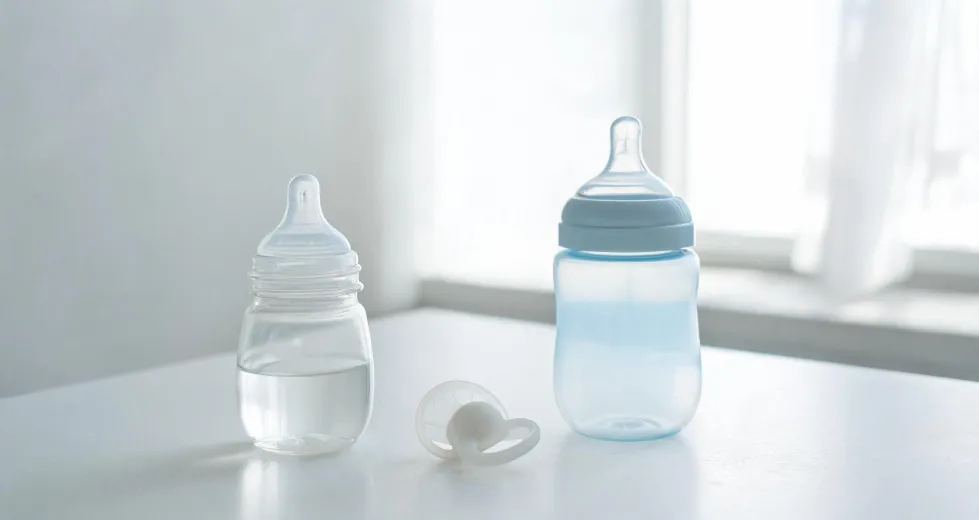
Yes, the NUK Space glow-in-the-dark orthodontic pacifier is the real thing — a thoughtfully engineered soother from a brand that ranks #1 in hospitals, with an orthodontic shape designed around your baby's natural way of feeding and soothing. The glow is a convenience feature, not a medical one; it helps you locate the pacifier in the dark without switching on a light and waking your baby fully. But that glow does not make it a toy or a nightlight, and it certainly does not cancel the daily cleaning and sanitizing routine every infant feeding item requires. If you keep up that routine, this pacifier can be a reliable nighttime partner.
Is a glowing pacifier a gimmick or a genuine orthodontic tool?
It's 2 a.m., and your baby's cry cuts through the dark. You reach for the bedside table, fumbling for the pacifier you know is somewhere within arm's reach, but you can't see it. Then your fingers brush against the soft glow of the NUK Space pacifier, and you slip it into your baby's mouth. The crying stops, and in the dim light you catch yourself wondering: is this glow-in-the-dark feature just a clever marketing trick, or is there real substance behind it? Many parents ask the same question when they first see a pacifier that lights up. Some assume it must be a gimmick — a toy-like gadget that trades baby safety for a party trick. Others worry it might be a nightlight in disguise, something to leave in the crib as a glowing companion. Neither assumption is quite right, and it's worth unpacking what this product actually is before you decide whether it belongs in your nursery. The NUK name is already familiar to many parents from hospital nurseries, and that alone raises expectations. When a brand is known for medical-grade feeding products, a glowing pacifier can seem out of place. But the glow is not the product's core; it's an add-on for nighttime convenience. So the real question isn't whether it glows, but whether the pacifier underneath does what a pacifier should do — soothe safely and support healthy oral development. That's the question we're going to answer in this article.
Here is what the evidence shows. NUK is the #1 brand in hospitals, and its feeding and soothing products are designed to adapt to a baby's natural way of feeding and soothing. That positioning is not a casual slogan; it reflects years of work with healthcare professionals and a product line built around how babies actually suck, swallow, and calm themselves. When you choose a NUK pacifier, you're getting that same orthodontic thinking, not a novelty item. The glow-in-the-dark feature doesn't change the fundamental design; it simply makes the pacifier easier to find when you're half-asleep. What does 'adapts to natural feeding' actually mean? It means the shield and nipple are shaped to sit comfortably in the mouth without forcing the tongue or palate into an unnatural position. The silicone is soft and flexible, so it flexes with your baby's movements. This is a real advantage compared to generic glow pacifiers that may prioritize novelty over fit. But here's the crucial caveat: being #1 in hospitals doesn't mean every baby will accept every pacifier, and it doesn't override the need for proper cleaning. It gives the brand credibility, but your baby's own comfort and your hygiene habits still decide whether this pacifier is right for you. And remember, the glow is a convenience, not a medical benefit — it won't protect teeth or improve sleep by itself. Those outcomes depend on how you use it.
Orthodontic design: what it means for your baby's mouth
Your baby's mouth is not a static thing; it changes rapidly in the first year. At just a few months old, your baby's gums are firm, and the first teeth may start pushing through around 6 months. By the time your baby reaches 6 to 18 months, those little teeth are settling in, and the jaw is growing in response to sucking and chewing. This means a pacifier that worked at 8 weeks may no longer fit comfortably at 8 months, and using the wrong size can put unnecessary pressure on emerging teeth. A pacifier that is too small or too large can also affect how well it stays in, which matters for both comfort and safe sleep. That's why NUK structures its range into stages — 0-6 months, 6-18 months, and 18+ months — with shapes and sizes designed for each developmental phase. One thing to keep in mind: you'll need to revisit your choice as your baby grows, not just buy one glow-in-the-dark model and forget about it. It's also worth noting that the brand's guidance points to teething and exploration across these stages, which makes stage selection a genuine part of your baby's comfort and oral health.
The orthodontic design is based on the idea of adapting to your baby's natural movements. NUK's soothers are shaped to sit as naturally in the mouth as a breast during feeding, allowing the tongue to move freely and the jaw to develop without interference. The flexible silicone responds to your baby's sucking rhythm, and the shield is contoured to avoid pressing on the gums. This is a significant difference from flat, round pacifiers that can encourage an unnatural tongue positioning. When we say 'adaptive,' we mean the pacifier works with your baby's instincts rather than against them. The brand's #1 hospital ranking has also helped refine this orthodontic approach through clinical experience. However, it's important to remember that an orthodontic shape doesn't make the pacifier self-cleaning or automatically safe for all ages. The design can reduce the risk of dental issues compared to poorly shaped pacifiers, but it still depends on you choosing the right stage and ensuring the material is in good condition. So the evidence shifts the focus from the glow to the shape: what matters is whether the pacifier fits your baby's developing mouth, not whether it lights up.
Nighttime use and the cleaning routine that keeps it safe
Now let's talk about the real nighttime routine. It's 3 a.m., you're exhausted, and the glowing pacifier is a genuine help because you can spot it without turning on a lamp. But even with that convenience, the pacifier is going to end up on the floor, in the crib, or in your baby's mouth after a feed. That's when the question of cleanliness becomes urgent. The glow doesn't make the pacifier immune to germs; it's still a piece of silicone and plastic that has been in your baby's mouth and quite possibly dropped. What you're really managing here isn't darkness—it's bacteria. Every time you retrieve that glow-in-the-dark soother, you're also retrieving whatever it touched. So the real nightly question isn't 'where is it?' but 'how do I keep it clean?' In a dim nursery, it's tempting to simply pop the pacifier back in without a second thought, especially when your baby is wailing. But this is exactly where the habit of always having a spare, clean pacifier within reach — and a quick rinse or wipe if it falls — makes the difference. The glow may save you a search, but it can't save you from the need to maintain a clean supply.
Professional guidance is clear on this. Infant feeding items should be cleaned after every use, and sanitized at least once daily when your baby is younger than 3 months, premature, or has a weakened immune system. The CDC's current guidance says to clean items daily and sanitize for extra germ removal, or daily if your baby is under 2 months old, born premature, or has a weakened immune system. Some sources put the threshold at 3 months; either way, the message is the same: the younger and more vulnerable your baby, the stricter the sanitizing routine. For a pacifier, that means washing it in hot, soapy water after each use and following the manufacturer's instructions for sterilizing or boiling. This is not optional, and the glow feature does not exempt it. In fact, because a glow-in-the-dark pacifier may be handled more during the night, it might need even more consistent washing. The evidence changes the judgment here: the convenience of the glow is real, but it is completely separate from safety. If you're not willing to commit to the cleaning routine, the glow won't save you from the risks of germ buildup. So consider this the non-negotiable part of the product.
Decision rule: choose orthodontic, keep it clean, and use it at the right stage
So you're standing in the store aisle, or scrolling online, with this glow-in-the-dark pacifier in your cart. You've read about the orthodontic shape and the cleaning routine, and now you're weighing the cost against the benefit. The key question is whether your baby actually takes it. Every baby has preferences, and some refuse synthetic nipples or pacifiers entirely. The decision to buy the NUK Space model makes sense if you value the combination of a hospital-trusted orthodontic design and the convenience of finding it in the dark. But it also comes with the responsibility to use it at the right stage and to keep it clean. If you're not going to replace it as your baby grows, or if you can't maintain the hygiene routine, then the glow won't justify the extra cost. You're not just choosing a pacifier; you're choosing a set of habits that go with it. Take a moment to ask yourself whether you're ready for that commitment. If you are, the purchase makes sense; if you're not, the money might be better spent on a simpler pacifier and a pack of spare shields.
The final piece of the decision is the range behind it. NUK doesn't just make one pacifier; it structures its soothers around developmental stages, with products like the Perfect Match soother designed for specific age groups. This means you can start with a small, soft stage for a newborn, move to a stage designed for older babies as teeth appear, and eventually switch to a stage that supports toddlers. The glow-in-the-dark feature is available across this range, so you don't have to give up nighttime convenience as your baby grows. What does that change in your judgment? It means this isn't a one-off purchase you'll likely discard in a month; it's part of a system you can follow through the first few years. But the system only works if you actually upgrade at the right times. Using a 0-6 month soother for an 18-month-old is asking for discomfort and potential oral issues. So the advice is simple: choose orthodontic, keep it clean, and move through the stages as intended. If you do that, the NUK Space glow-in-the-dark pacifier earns its place as a practical and trustworthy night-time soother.
Here is the bottom line. This pacifier is worth buying if you want orthodontic design from a hospital-trusted brand, and if you're willing to keep a strict cleaning routine. The glow is a convenience, not a health feature, and it does not change the basic rules of pacifier safety: right stage, clean condition, supervised use. If you and your baby are happy with those terms, the NUK Space glow-in-the-dark orthodontic pacifier is a sound choice. If you're buying it because you expect it to work like a nightlight or to magically fix sleep, you'll be disappointed. The verdict, then, is conditional — and the condition is yours to fulfill.

Miriam Adler
Miriam Adler is an educational and STEM toy analyst specializing in busy boards, Montessori-style manipulatives, learning towers, sound books, reading pens, pretend-play sets, and early learning toys. She applies ASTM F963 and IEC 62115 methods while evaluating small-part hazards, accessible edges, switch durability, sound output, battery access, pull force, and age-appropriate task complexity. Her work helps parents, retailers, and product teams choose learning products that align developmental goals, supervision needs, interaction design, and the intended age stage.
Leave a Reply